Roof Compatibility · Heritage
By Thomas Moyes, Co-Founder, SolVe Innovations Ltd
Solar Panels on a Listed Building UK — What You Need to Know
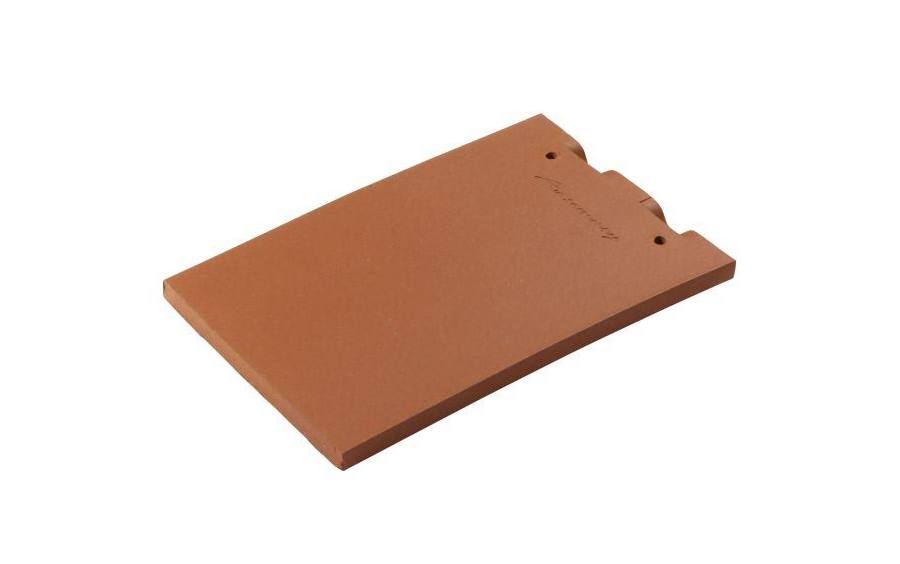
Listed buildings typically carry traditional roof coverings — slate, clay, Rosemary tile, stone. The SolVe Mount is MCS 012 3.0 certified for all of them. No tiles are removed. No lead flashing is dressed. The covering is left almost entirely undisturbed.
Key Takeaways
- —MCS 012 3.0 certified (Certificate BBA 7460) for slate, clay, Rosemary tile, stone and more.
- —No tiles removed — a 28mm core hole is the only opening made in the roof covering.
- —Zero load on the tile or slate — all force is channelled directly to the rafter.
- —Diamond coring is gentler than the angle grinder method used for traditional flashing.
- —IPX8 watertight seal — tested submerged for 30 days with no ingress observed.
- —Does not affect the fire rating of the roof covering.
Minimal Disruption
Why the SolVe Mount Suits Heritage and Period Properties
Traditional mounting methods require tiles to be lifted or removed, lead flashing to be cut and dressed, and open penetrations to be left in the roof. On natural slate, clay plain tiles, and Rosemary tiles — materials common to listed and period buildings — that level of disruption carries significant risk of breakage, cosmetic damage, and water ingress if not carried out by an experienced roofer.
The SolVe Mount takes a fundamentally different approach. A 28mm diamond core bit creates a precise circular opening through the tile or slate only. The tile stays in place. The layers beneath are undisturbed. The mount fixes into the structural rafter below and the expansion seal fills the core hole from the inside — no sealant, no flashing, no exposed timber.
The result is a low-profile installation that preserves the appearance of the roof covering and places no structural load on the tiles or slates themselves.
Compatibility
Traditional Roof Coverings — What the SolVe Mount Works On
The SolVe Mount is certified for the roof coverings most commonly found on listed and period properties in the UK. Natural slate accounts for the majority of historic roofing stock. Click any covering for full technical specifications.
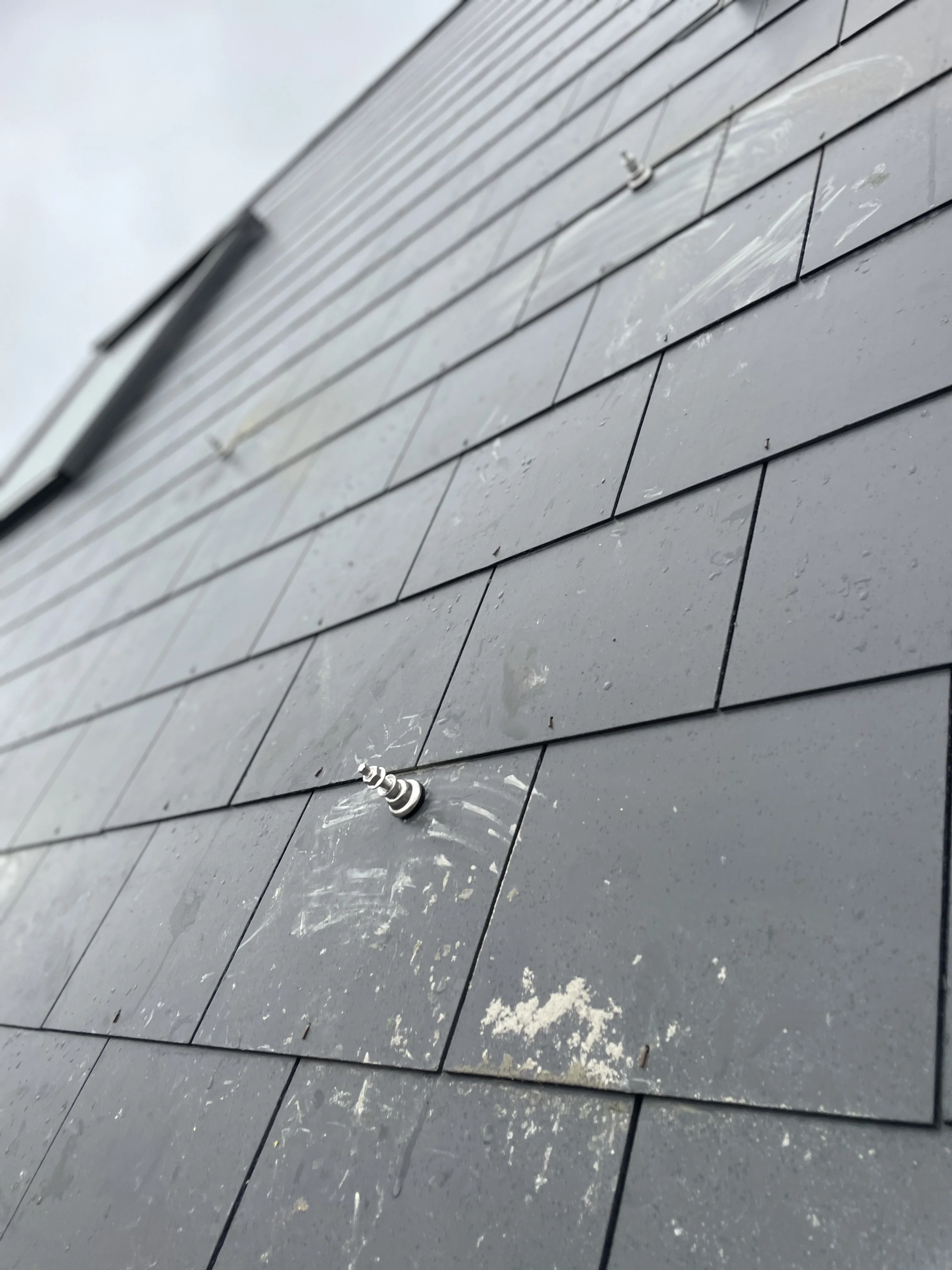
Heavy slate
Older properties, reclaimed coverings
Adjustment: Raise seal height — thicker covering
Position: As close to the overlapping tile above as possible
Rosemary tiles
Heritage and period properties
Adjustment: Raise seal height using washers
Position: 0–20mm from the overlapping tile. Avoid top layer joins.
Clay plain tiles
Traditional British roofing
Adjustment: Raise seal height using washers
Position: 0–20mm from the overlapping tile. Avoid top layer joins.
Stone roofs
Cotswold and regional stone coverings
Adjustment: Raise seal height — thicker covering
Position: As close to the overlapping tile above as possible
The Method
Coring — Gentler Than Traditional Flashing
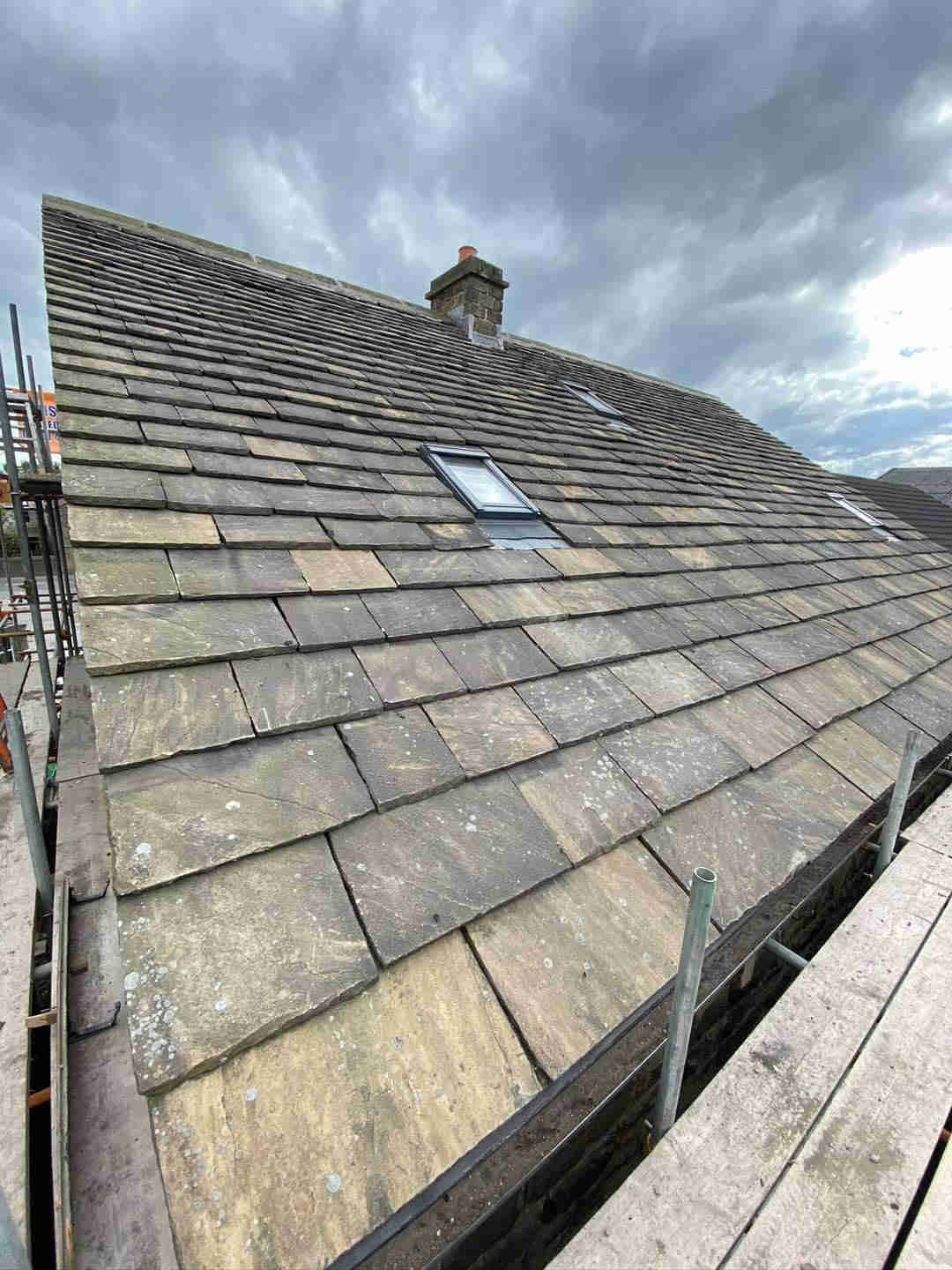
Traditional solar mounting on a listed property typically requires an angle grinder to make six straight cuts through the top layer of slate or tile. That rectangular opening has corners that are prone to cracking under pressure, and the process transfers vibration through the covering.
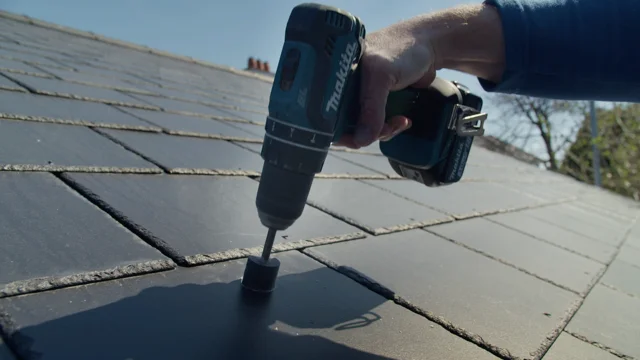
Diamond coring is different. A hollow bit grinds away a clean 28mm plug with almost no vibration and no heavy pressure — the same technique used to cut holes in glass shower screens without cracking them. On natural slate, clay, or Rosemary tile the result is a clean circular hole. The covering around it is left almost undisturbed. No corner stress points, no cracking risk.
All structural load is channelled to the rafter below. The tile or slate itself carries nothing.
| Aspect | Traditional Flashing | SolVe Diamond Coring |
|---|---|---|
| Tool used | Angle grinder | 28mm diamond core bit |
| Tiles removed | Often | Never |
| Opening shape | Rectangle — corner stress points | Circle — no weak points |
| Vibration | High | Minimal |
| Load on tile | Present | Zero — all to rafter |
| Waterproofing | Lead flashing | IPX8 expansion seal — inside the core hole |
The Install
Three Steps. All You Need Is a Drill and a Spanner.
No tile removal, no flashing, no specialist roofing knowledge required. Suitable for roofers, electricians, solar installers, AC engineers, and competent DIYers.
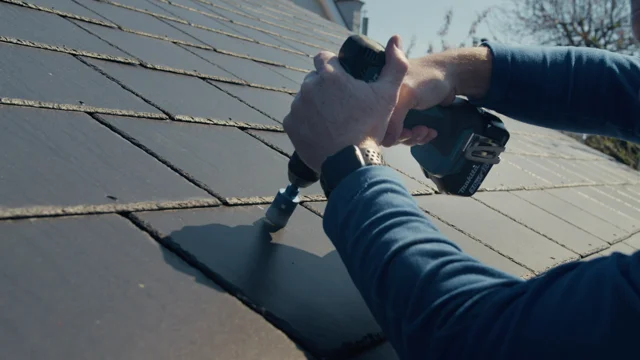
Core
A 28mm diamond core bit cuts a precise working hole through the tile or slate. Nothing is removed. The covering around the hole is left almost undisturbed.
Pre-drill
Using the drill guide provided with every SolVe Mount, pre-drill the rafter below through the core hole.
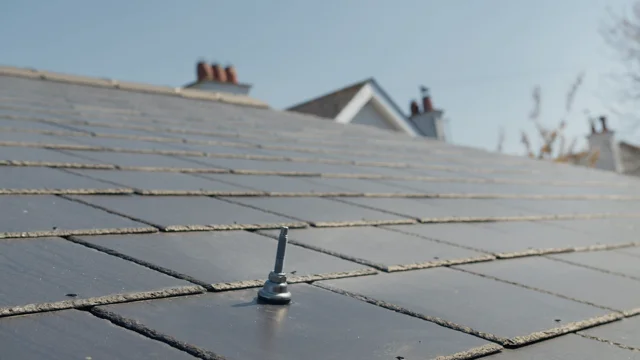
Fix & Seal
Screw the fully assembled SolVe Mount into the rafter. Tighten a single nut — the expansion seal presses outward against the core hole walls, creating a permanent IPX8-rated watertight barrier. No sealant, no flashing, no exposed timber.
Full step-by-step instructions — including torque values, seal height adjustments, and tile-specific guidance — are available on the instructions page.
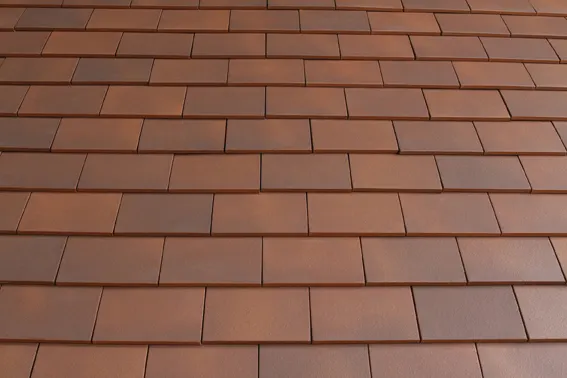
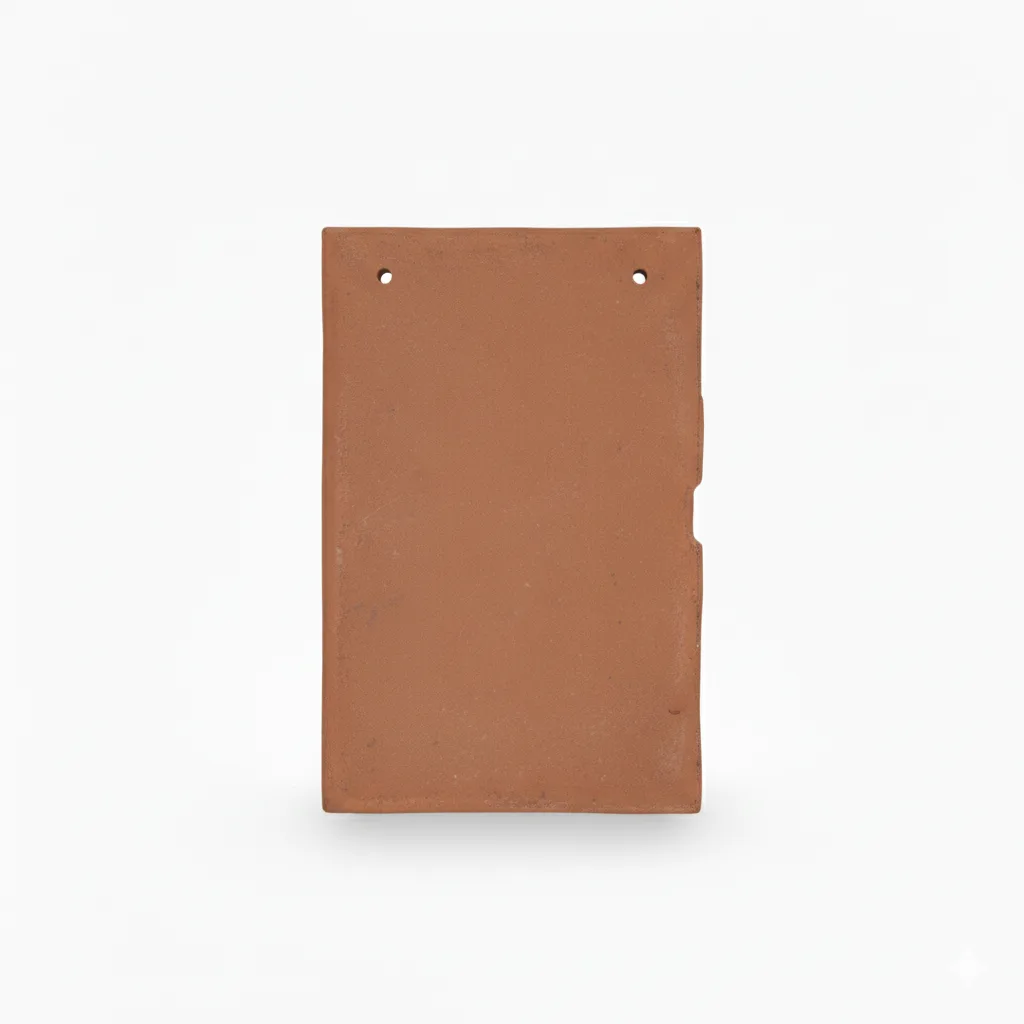
HOW DO YOU LOCATE RAFTERS UNDER TRADITIONAL ROOFING?
Video: Rafter Finder locating a rafter through traditional roof covering in seconds
Why SolVe
SolVe Mount vs Traditional Mounting on Heritage Roofs
| Traditional Mount | SolVe Mount | |
|---|---|---|
| Tiles removed? | Often | Never |
| Roof covering disturbed? | Yes | Minimal — 28mm core hole only |
| Load on the tile/slate? | Present | Zero — all force to rafter |
| Waterproofing | Lead flashing | IPX8 — 8.2× safety margin |
| Profile | Raised hook / bracket | Low profile, flush to covering |
| Fire rating affected? | Potentially | No |
| MCS 012 3.0 | Varies | Certified (BBA 7460) |
| Warranty | Varies | 20 years |
FAQ
Common Questions
No. The SolVe Mount uses diamond coring — a hollow bit that grinds away a clean 28mm plug with almost no vibration. No tile is removed. The covering around the hole is left almost undisturbed and retains its structural integrity. Forces are channelled entirely to the rafter — zero load is placed on the tile or slate.
Yes. The SolVe Mount holds MCS 012 3.0 certification and BBA Certificate BBA 7460. It is certified for natural slate, composite slate, clay plain tiles, concrete plain tiles, Rosemary tiles, heavy slate, and stone roofs, among others.
No. The SolVe Mount provides a low-profile installation and does not affect the fire rating of the roof covering.
The SolVe Mount is tested to IPX8 — submerged for 30 days continuously with no ingress observed. The test pressure is 8.2× higher than 100 mph wind-driven rain. The seal would need to lose 88% of its sealing force before any risk of ingress, a level of degradation it is engineered to resist for well over 100 years.
No. It uses diamond coring — not conventional drilling. A hollow core bit grinds away a clean 28mm circle with almost no vibration and no heavy pressure. The same technique is used to cut holes in glass shower screens without cracking them.
The SolVe Mount is compatible with natural slate, composite slate, heavy slate, Cambrian interlocking slate, Rosemary tiles, clay plain tiles, concrete plain tiles, stone roofs, and more. See the full compatibility guide at /roof-coverings.
Related
Roof Compatibility
Solar Panels on a Slate Roof — Everything You Need to Know
MCS 012 3.0 certified for natural and composite slate. No tiles removed. Core, fix, tighten.
Technical
Does the SolVe Mount Require Drilling Through Slate?
The difference between coring and drilling — and why it matters for heritage and period roofs.
Installation
Do You Need a Roofer to Install Solar Panels?
Who can install the SolVe Mount — and what MCS 012 3.0 actually requires of the installer.
Tools
SolVe Rafter Finder
Locate every rafter through traditional roof coverings using just your phone.